Littleton's Structural Drying Specialists
Dry hidden moisture before repairs begin
Get wet assemblies measured and dried before trapped moisture turns into mold, swelling, or failed finishes.
Littleton's Structural Drying Specialists
Get wet assemblies measured and dried before trapped moisture turns into mold, swelling, or failed finishes.
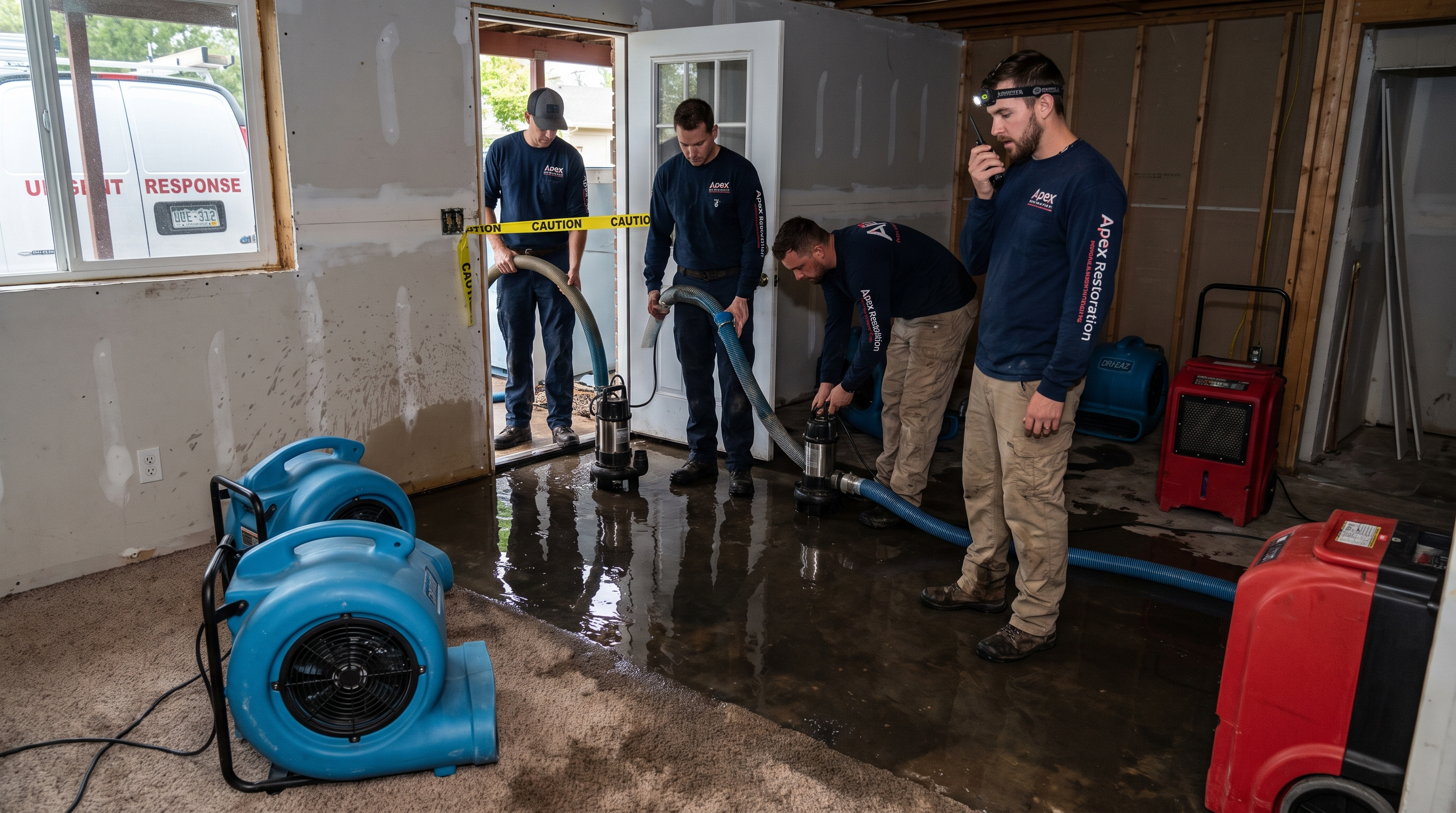
Structural drying starts after extraction, but it should be planned from the first inspection. Wet drywall, insulation, base plates, cabinets, subfloors, and crawl space framing can hold moisture long after standing water is gone. In Littleton, the dry outdoor climate can make surfaces look better before the inside of the assembly is actually safe.
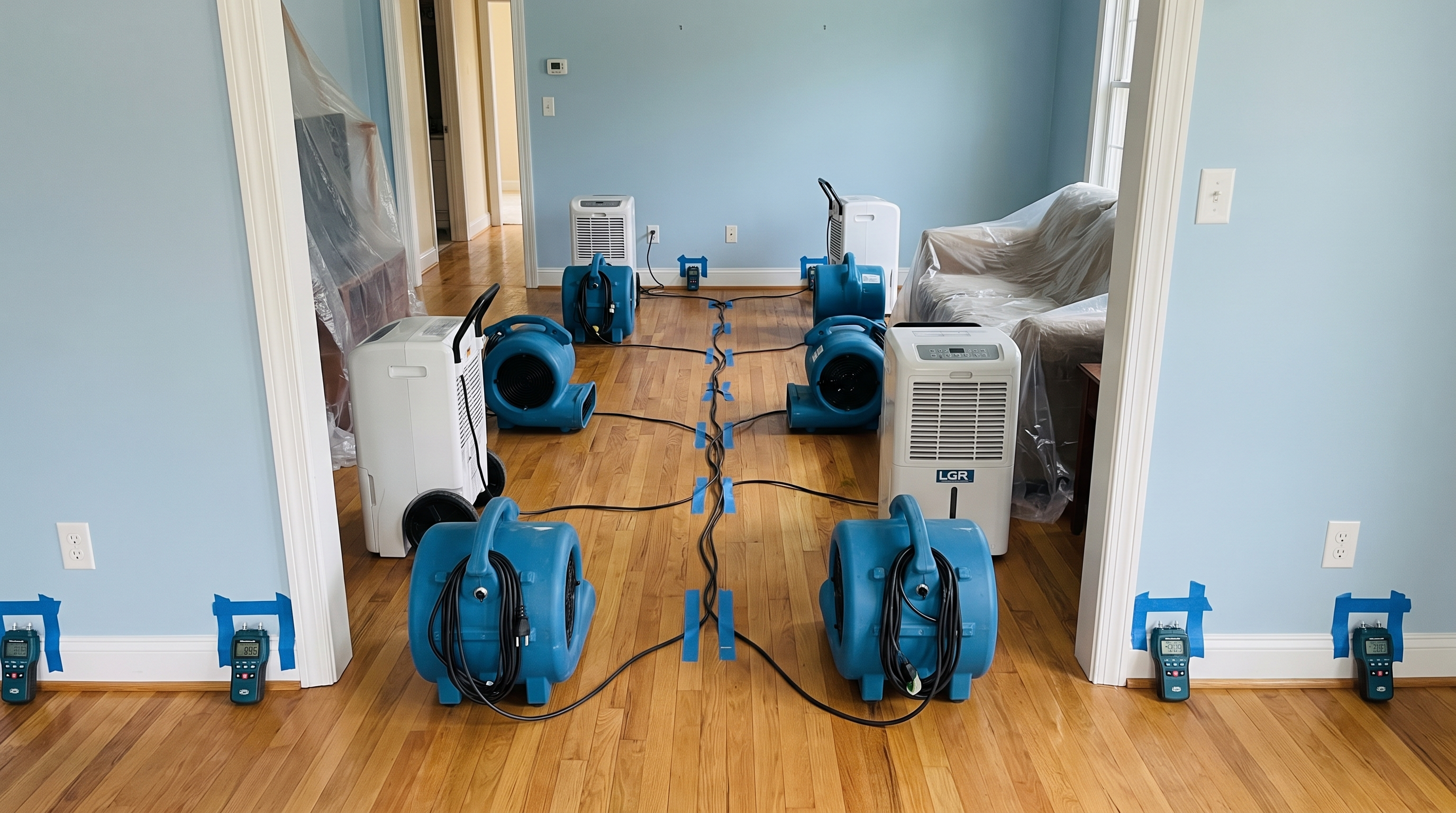
Proper drying uses air movers to move moisture out of materials and dehumidifiers to remove that moisture from the air. Contractors track temperature, relative humidity, grain depression, and material moisture readings so equipment is placed where it does the most work.
High altitude affects drying conditions, and Littleton's temperature swings can change how quickly a basement, crawl space, or exterior wall assembly dries. The contractor may need to adjust airflow, containment, heat, and monitoring intervals instead of following a generic schedule.
Selective demolition is part of structural drying when materials cannot be saved. Wet insulation, swollen baseboards, contaminated drywall, delaminated flooring, or trapped moisture behind cabinets may need removal before equipment can reach the affected framing.
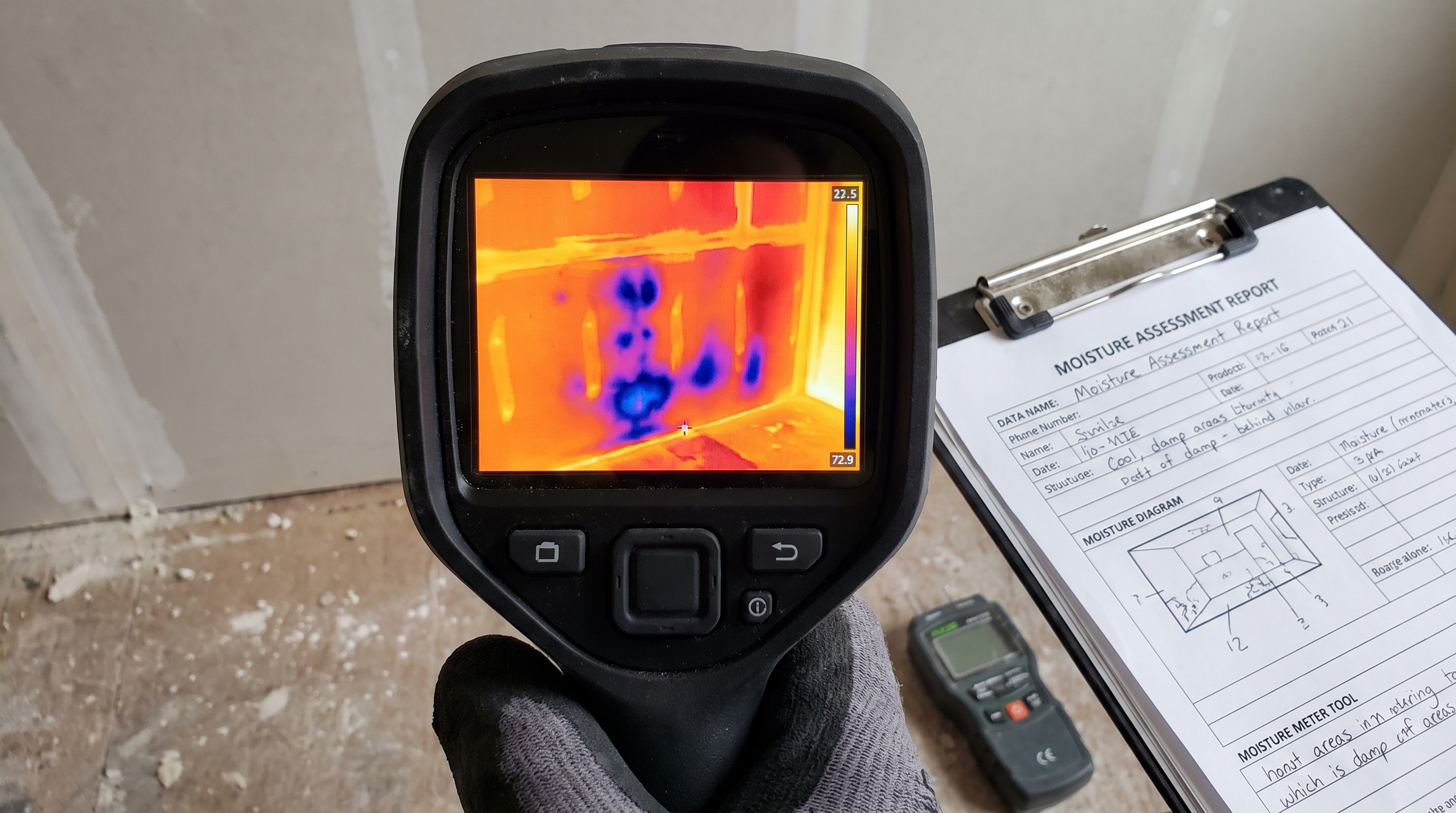
A drying plan combines equipment placement, controlled demolition, and recorded moisture readings until materials reach target levels.
Technicians take readings from drywall, framing, subflooring, cabinets, and other affected materials. These readings create the drying map and show progress over time.
Equipment is placed to move moisture from wet assemblies into the air, then remove it from the space. Basement and crawl space setups often need different placement than open living areas.
Materials that are saturated, contaminated, or blocking drying may be removed and documented. This can include carpet pad, drywall cuts, insulation, trim, or damaged flooring.
Drying is not finished because the room feels dry. Contractors use moisture data to decide when equipment can be moved or removed.
Crawl spaces can hold moisture below the living area with limited ventilation and difficult access. Drying plans account for insulation, ductwork, rim joists, vapor barriers, and floor framing.
Ask for drying documentation before reconstruction or flooring replacement starts.
Free — no obligations
The affected materials are checked with meters so the contractor knows the true wet boundary.
Air movers, dehumidifiers, containment, and ventilation are placed based on the materials, room layout, and drying goals.
Readings are tracked during the drying period so equipment can be adjusted and hidden moisture can be caught.
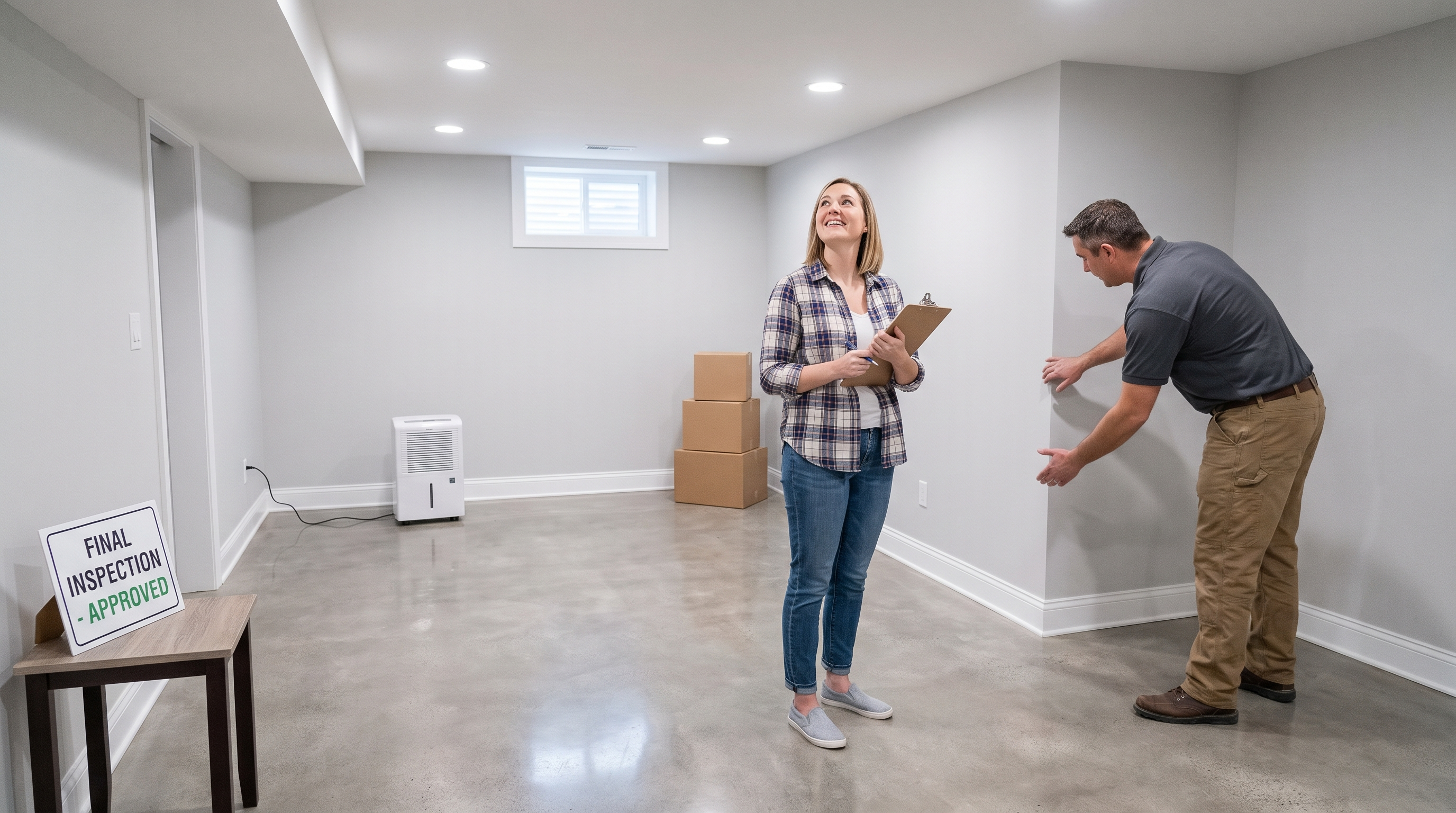
The contractor verifies that affected materials have reached target moisture levels before equipment is removed and repairs begin.